


Self-cleaning & automatic litter boxes(120)
Simplify cleaning and improve comfort with self cleaning automatic litter boxes.



FAQ about Self-Cleaning Litter Box
How do self-cleaning litter boxes work?
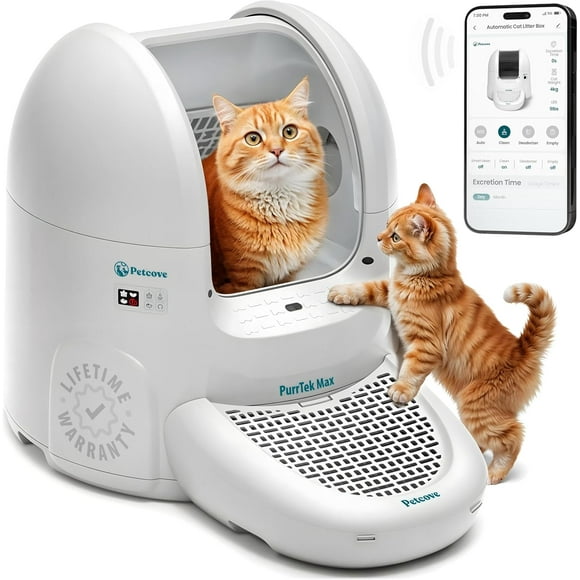
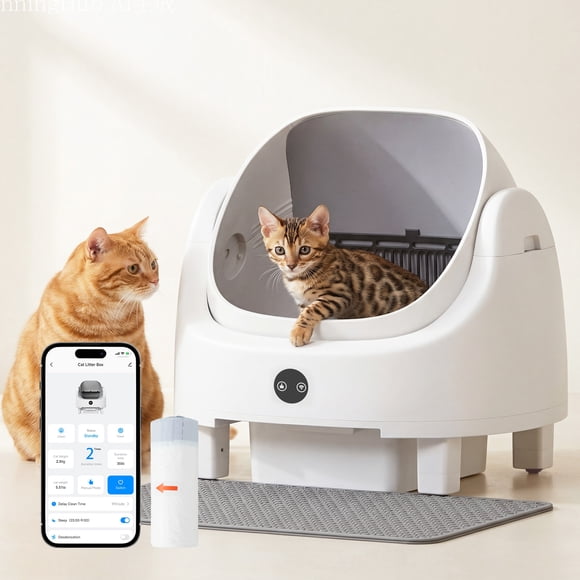
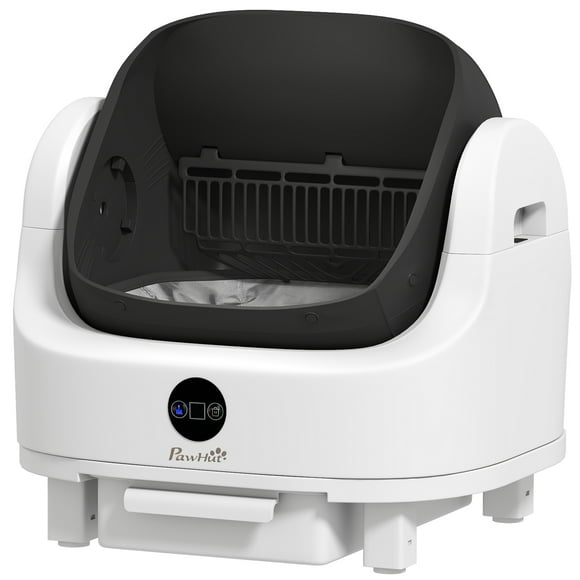
Self-cleaning litter boxes use sensors to detect when a cat has used the box. After a short delay, a mechanism such as a rake, rotating drum, or flushing system -automatically removes waste and deposits it into a sealed compartment. This process helps keep the litter clean without manual scooping. Some models also include odor control systems and app connectivity to monitor usage. While they reduce daily maintenance, occasional cleaning and emptying of the waste drawer are still required. These devices are designed to be safe and convenient, making them a popular choice for cat owners seeking a more hands-off litter solution.
Do self-cleaning litter boxes require maintenance?
Yes, self-cleaning litter boxes still require regular maintenance. While they automate the scooping process, you’ll need to empty the waste drawer every few days, depending on usage. Periodic cleaning of the unit is also necessary to prevent buildup and ensure proper function. Some models have filters or trays that need replacing, and sensors or moving parts may require occasional checks. Keeping the box clean helps avoid odors and mechanical issues. Although maintenance is less frequent than with traditional litter boxes, it’s important to follow the manufacturer’s guidelines to keep the system running smoothly and hygienically for your cat.
Do automatic litter boxes eliminate odors effectively?
Yes, many self-cleaning litter boxes eliminate odors effectively by removing waste shortly after use and sealing it in a separate compartment. Some models also use carbon filters or specialized litter to trap smells. Because waste doesn’t sit exposed for long, the overall odor in the area is significantly reduced compared to traditional boxes. However, performance can vary depending on the model, type of litter used, and how often the waste drawer is emptied. Regular cleaning of the unit is still important to prevent lingering smells and ensure the system continues to function properly over time.
Are self-cleaning litter boxes safe for cats?
Yes, self-cleaning litter boxes are generally safe for cats. They are designed with motion sensors that prevent the cleaning cycle from starting while a cat is inside or nearby. Most models include a delay after use to ensure the cat has left the box before any mechanical parts move. The enclosed design of some units also helps cats feel secure. However, it’s important to follow the manufacturer’s age and weight recommendations, especially for kittens. Gradual introduction and monitoring during the first few uses can help ensure your cat feels comfortable and safe using the new system.
How do you introduce your cat to a self-cleaning litter box?
To introduce your cat to a self-cleaning litter box, place it next to the old box and let your cat explore it without pressure. Keep both boxes available for a few days so your cat can choose. Avoid turning on the cleaning cycle immediately; let your cat get used to the new scent and shape first. Once your cat starts using it, activate the cleaning feature while they’re away to avoid startling them. Offer praise or treats to encourage use. Patience is key—some cats adapt quickly, while others may need more time to feel comfortable with the change.