

Patio & outdoor heaters(718)
Patio heaters and outdoor heaters let you enjoy your outdoor space even during colder months.



FAQs: Patio heaters & outdoor heaters
What types of patio heaters are available?
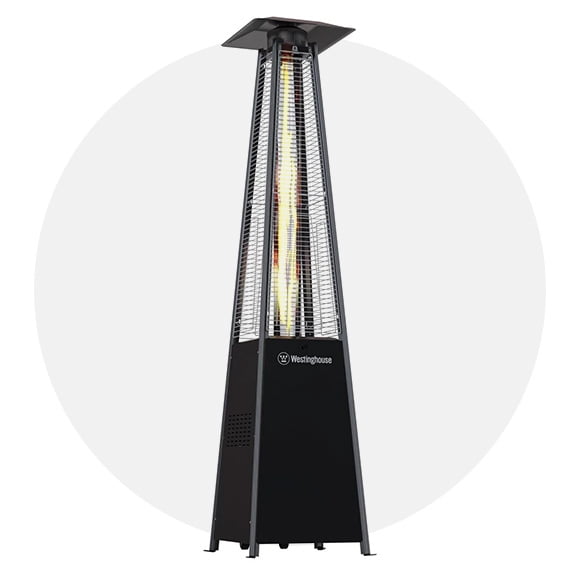
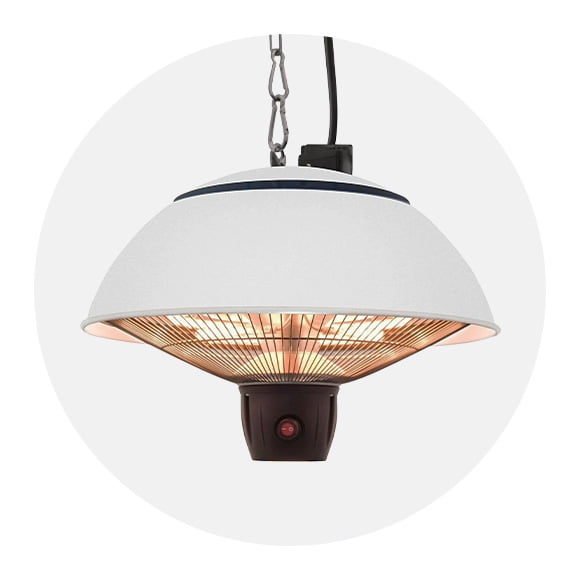
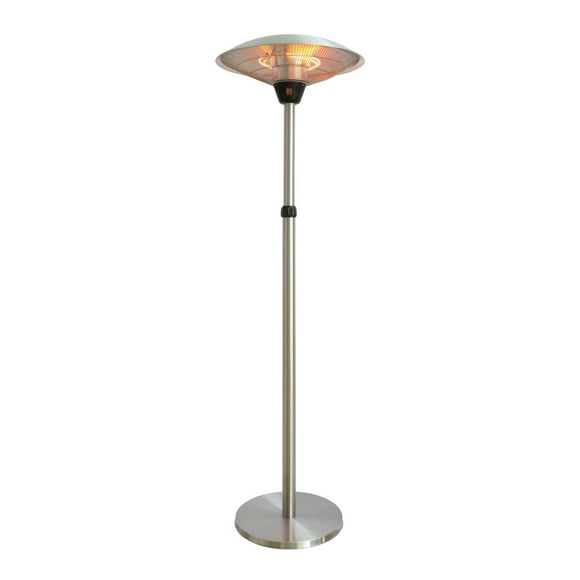
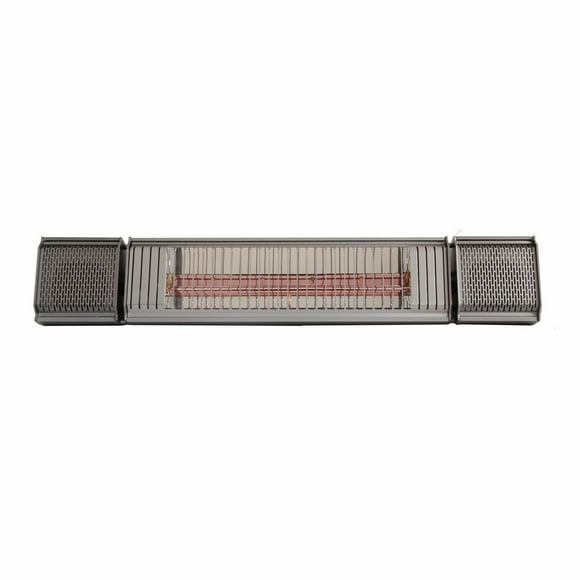
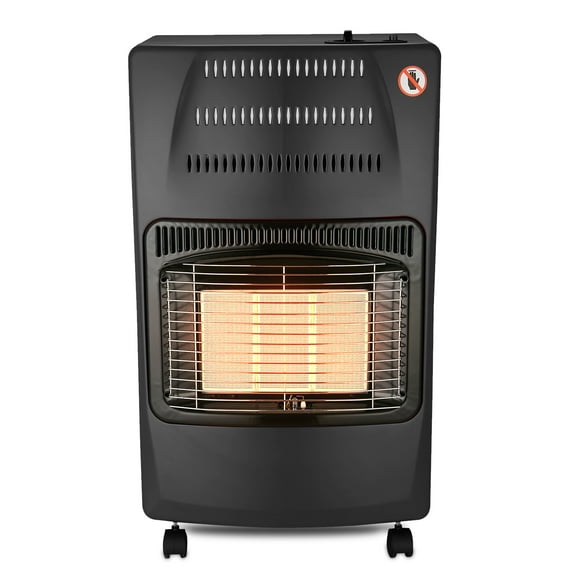
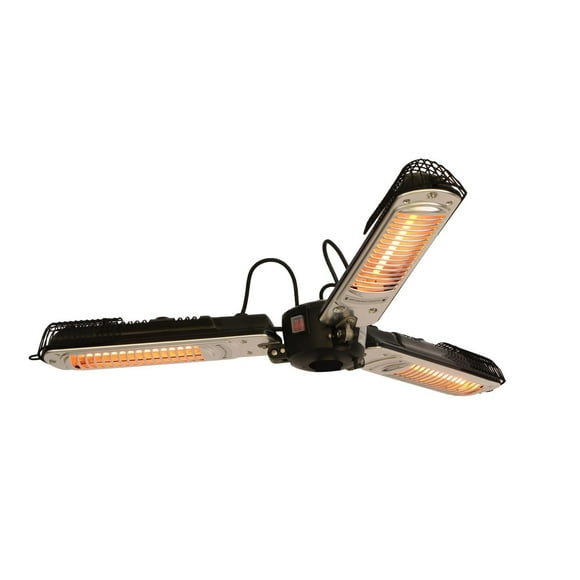
Patio heaters come in a variety of styles and fuel types to match your outdoor setup and comfort needs: Propane patio heaters: Portable and powerful, ideal for decks, patios, or backyards. They deliver strong heat and are easy to move where needed. Electric patio heaters: Plug into a standard outlet and provide instant warmth without fumes or emissions—perfect for covered or semi-enclosed areas. Natural gas patio heaters: Connected directly to your home’s gas line for steady, cost-effective heat and minimal maintenance. Tabletop and wall-mounted heaters: Great for smaller spaces, balconies, or dining areas, offering warmth without taking up floor space. Infrared heaters: Use radiant heat to warm people directly rather than the air, increasing efficiency. Each type offers its own mix of convenience, power, and style to suit any outdoor setting.
What size patio heater do I need?
The size of patio heater you need depends on your outdoor area and how much warmth you’d like. A standard freestanding propane heater (around 40,000 BTU) can comfortably heat up to 200 square feet. For larger spaces, consider two or more heaters placed strategically for even coverage. Electric heaters are measured in watts—typically, a 1,500-watt model suits smaller patios or balconies. Always check the heater’s BTU or wattage rating and match it to your patio size, climate, and enclosure. Choosing the right size ensures efficient heating without wasting energy.
How much area can a patio heater warm up?
Most patio heaters can heat between 100 and 300 square feet, depending on the model and weather conditions. Propane and natural gas units generally cover larger areas, while electric heaters are best for smaller or partially enclosed spaces. Wind and temperature can also affect performance, so placing heaters in sheltered areas helps retain warmth. For best results, review the manufacturer’s heat coverage guide and consider using multiple units for bigger patios. A well-placed patio heater lets you enjoy outdoor gatherings comfortably, even on chilly evenings.
Are outdoor heaters safe to use on covered patios or balconies?
Yes, but only if you choose the right type and follow safety guidelines. Electric patio heaters are the safest option for covered or enclosed areas since they don’t produce open flames or carbon monoxide. Propane and natural gas heaters should only be used in well-ventilated spaces with plenty of airflow. Always check the product manual for clearance requirements and approved installation zones. Keep the heater away from walls, ceilings, and flammable materials. With the right model and proper setup, you can safely enjoy reliable warmth on your covered patio or balcony all season long.
What maintenance does an outdoor heater require?
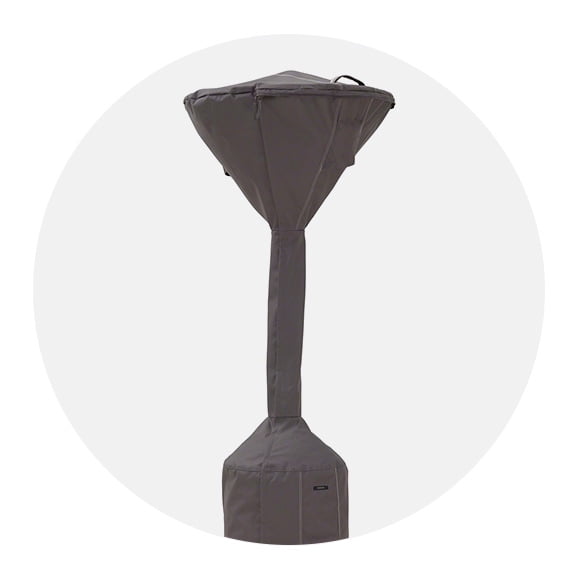
"Regular care keeps your patio heater working safely and efficiently. Here’s how to maintain it: Inspect before use: Check the burner, ignition, and hoses for debris, rust, or wear. Clean the surface: Wipe with a soft cloth and mild soap to remove dirt or dust. For gas heaters: Test for leaks with a soapy water solution around connections. For electric heaters: Unplug before cleaning and ensure vents are free of dust. Protect and store: Use a weather-resistant cover or store in a dry place when not in use. Seasonal check-up: Before winter storage, make sure all parts are dry and secure. With simple upkeep, your outdoor heater will stay reliable and ready for every cool evening."
Are patio heaters energy-efficient or eco-friendly?
Energy efficiency depends on the type of patio heater. Electric heaters are often the most efficient, converting nearly all their energy into direct heat without emissions. Propane and natural gas heaters offer powerful warmth but produce carbon emissions, so using them outdoors with good airflow is essential. For an eco-friendlier option, choose a model with adjustable heat settings or motion sensors to reduce energy use. Some electric heaters can also run on renewable energy sources, depending on your power provider. Selecting the right type and operating it responsibly helps you stay warm while minimizing your environmental impact.